The wonders of blockchain technology never cease to amaze us. One of the most intriguing…
Smart contracts are the “it” thing in the blockchain world. Everyone is talking about them, everyone is using them, but what the hell are they?
Allow me to explain, in my own witty way.
First, let’s break it down.
Blockchain is a secure and decentralized ledger, where every transaction is verified and recorded. Think of it as a big open book, where everyone can see what’s happening but nobody can cheat the system.
Now, a smart contract is simply a piece of code that lives on the blockchain. It’s like a little robot lawyer, who follows a set of rules and executes them automatically.
For example, let’s say you want to sell your house to somebody. You could use a smart contract to automate the process. The contract would hold the money from the buyer and the deed from the seller. Once certain conditions are met, like the seller transferring the deed, the money is released to the seller automatically. No need for a middleman or a lengthy legal process.
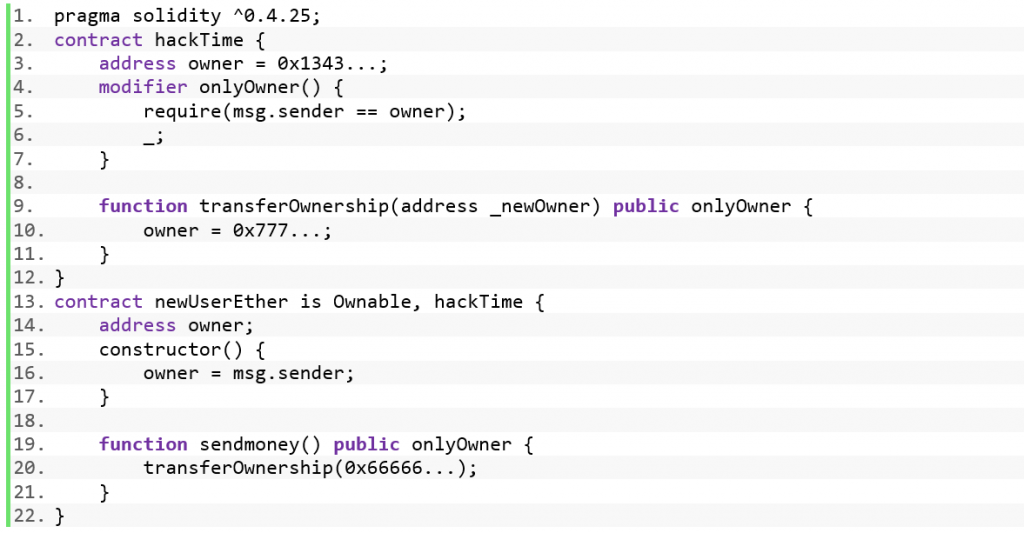
The beauty of smart contracts is that they’re self-executing and tamper-proof. Once they’re written and deployed on the blockchain, they can’t be changed or deleted. They’re also transparent, so anyone can see the code and make sure it does what it’s supposed to.
Now, smart contracts aren’t a new concept. They’ve been around for a while, but they only really took off with the rise of the Ethereum blockchain. Ethereum is a platform that allows developers to create their own smart contracts, using a programming language called Solidity.
So why are smart contracts such a big deal? Well, they have the potential to revolutionize the way we do business. They can automate all sorts of transactions, from financial trades to supply chain management to voting systems. They could even replace lawyers in some cases (sorry, lawyer friends).
But it’s not all sunshine and rainbows. Smart contracts can be tricky to write and test, and if there’s a bug in the code, it could lead to disastrous consequences. Just look at the infamous DAO hack, where a vulnerability in a smart contract led to the theft of millions of dollars worth of ether.
So, there you have it. Smart contracts are little robots that live on the blockchain and can automate all sorts of things. Just be careful with them, or you might end up with a burn rate that’s more than you bargained for.